


Exercise After Cancer: What We Know and How to Start Safely
- Life after Cancer
- Apr 7
- 3 min read
Updated: Apr 17
After cancer treatment, exercise can feel different.
You might notice changes in your energy, strength, or confidence. Things that once felt familiar can feel less certain, and it’s not always clear what is safe or where to begin.
We’ve invited Dr Lee Jones to share the research behind exercise after cancer treatment, and Sarah Newman to share safe, practical ways to begin.

Benefits of exercise after cancer treatment
Dr Lee Jones shared what research currently tells us about how exercise can support the body after cancer treatment.
One of the key points is that cancer treatment can have a wide impact on the body. Treatments such as surgery, chemotherapy, radiotherapy, and hormone therapy can affect multiple systems, including the heart, lungs, blood vessels, and muscles.
The research also shows that movement can play a role in supporting the body through this, helping to rebuild strength and function over time.
Exercise can help reduce treatment side effects
There is strong evidence that supports the beneficial impact of exercise in lowering
treatment side effects
Exercise may support longer-term outcomes
There is emerging data that exercise could impact disease progression and improve treatment response, although more research is still needed.
How much exercise is recommended after cancer
“Optimal” prescription depends on goal and individual, but 150 - 225 Mins per week of Aerobic Exercise (Resistance +)
How to start exercising after cancer treatment
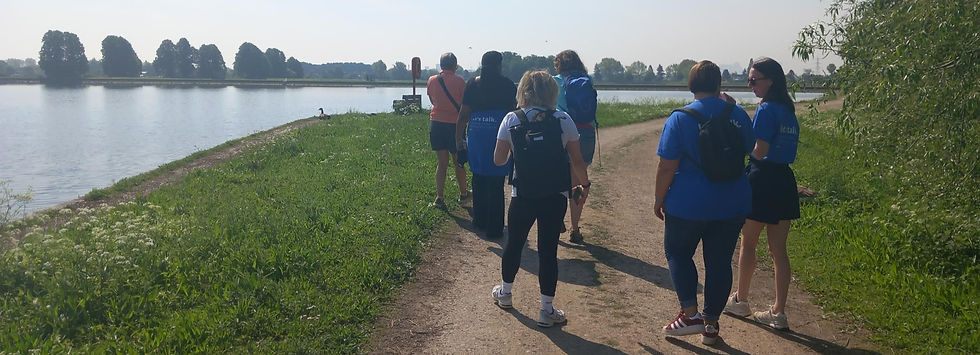
Sarah Newman focused on how to begin in a way that feels realistic.
She introduced “movement snacks” - short, simple exercises that fit into your day, rather than relying on longer or structured workouts.
Over time, these small moments of movement can help rebuild strength and support recovery.
Simple exercises to start after cancer
A gentle weekly structure can help make things feel more manageable.
Each day focuses on one short movement, for example:
Squats or sit to stand
Wall press ups
Knee extensions
Side leg lifts
Banded rows (standing or seated)
Balancing on one leg
Marching on the spot
Alongside this, a short daily walk outside (around 10 minutes or more) is encouraged where possible.
These small, consistent movements can help build strength, support recovery, and improve energy levels.
Start slowly and build consistency
If a day feels more tiring, the focus shifts.
You might choose a seated version, reduce the number of repetitions, or take a rest.
Consistency matters more than doing everything.
You’re also encouraged to notice how your body responds, for example, by tracking:
Fatigue levels at the start and end of the day
Sleep
Protein intake
This can help you understand what supports your energy, and what feels like too much.

Starting exercise after cancer at your own pace
Beginning again after treatment can feel uncertain.
This approach is not about pushing through or getting it right. It’s about starting where you are, and building gradually in a way that feels supportive.
Further support and resources
If you’d like to read more about exercise after cancer, you can find more articles on our website:
Important information about exercising after cancer
Please ensure you have a sign-off from your medical team before taking part in any exercise.
The movement shared here is general and not tailored to individual medical needs.
It does not replace personalised medical or rehabilitation advice.
You are encouraged to listen to your body, move within your own limits, and stop anything that does not feel right.

Navigating life after treatment?
If life after cancer feels more difficult than expected, you are not alone.
Connect with others who’ve had cancer through free expert sessions, peer groups, coaching workshops and our 6 week programme, led by trained coaches with lived experience or experts in their field.
Sign up here to receive new resources and support for life after cancer.
In addition, synthetic mRNA also has some other advantages, e.g., the lack of risk of gene integration, directly translated into target proteins without the need to enter the nucleus and transient protein expression.
Care organizations in the UK are increasingly focusing on safety, cleanliness, and proper organization. I explored https://affordablewastemanagement.co.uk/home-care-waste-management-solutions/ and noticed that specialized services help address important daily tasks. This approach allows for better waste management, improved orderliness, and a more professional environment for staff and care recipients.